

A Quiet Opening
A Quiet Opening
On July 1, 2026, something quietly radical will happen across the country: the doors to Canada’s most sacred landscapes will swing open — not for members, not for subscribers, not for those who can afford it — but for everyone.
For one week, from July 1 to July 7, Parks Canada is offering free entry to all national parks and national historic sites. No tickets. No reservations required. Just a simple invitation: Come in.
It’s not charity. It’s not a marketing stunt. It’s a rare assertion of public value in an age when so much has been monetized, segmented, or turned into content. For seven days, Canada will reclaim its own history, its own wilderness, its own memory — without asking permission.
And yet, how many of us actually go?
The Distance Between Us and What We Claim to Love
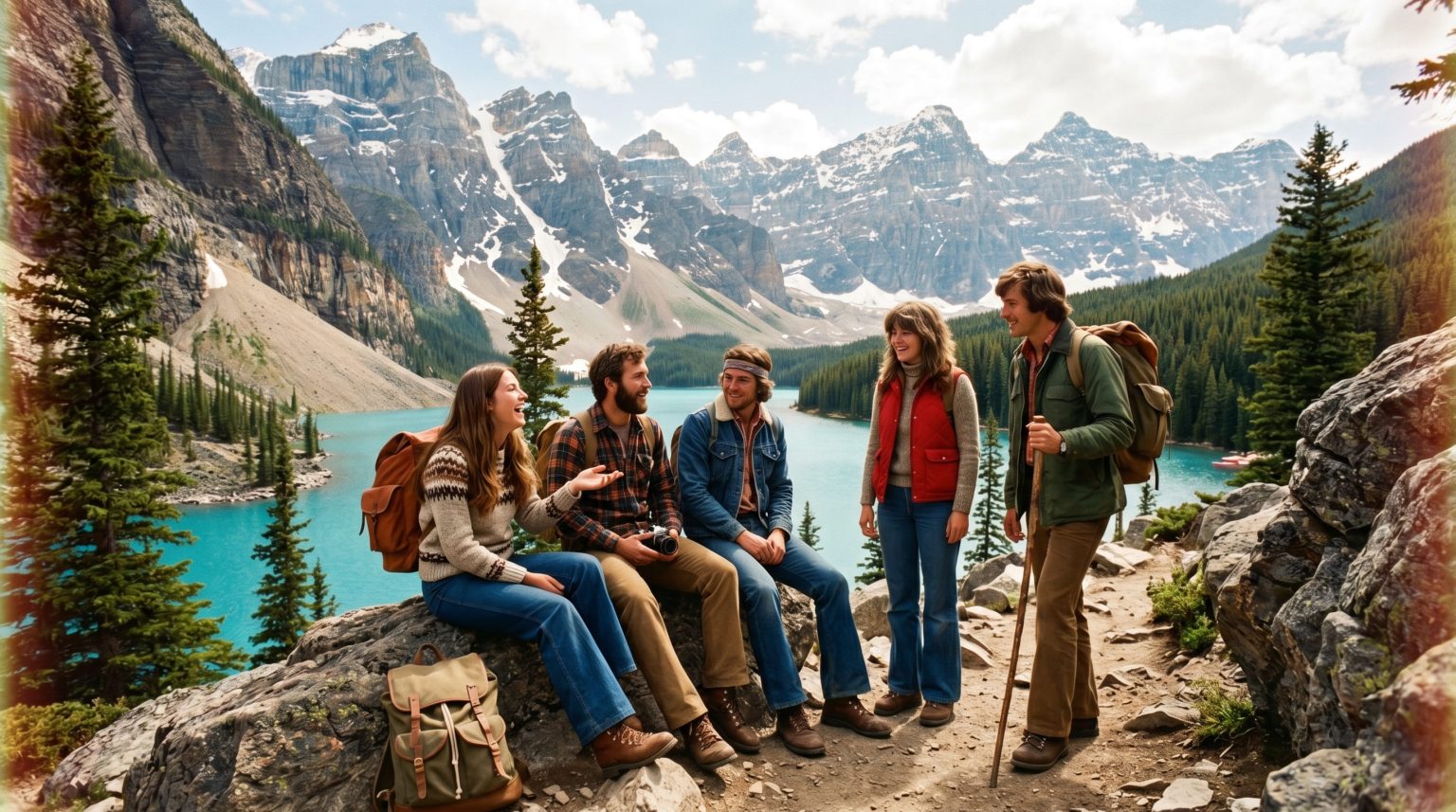
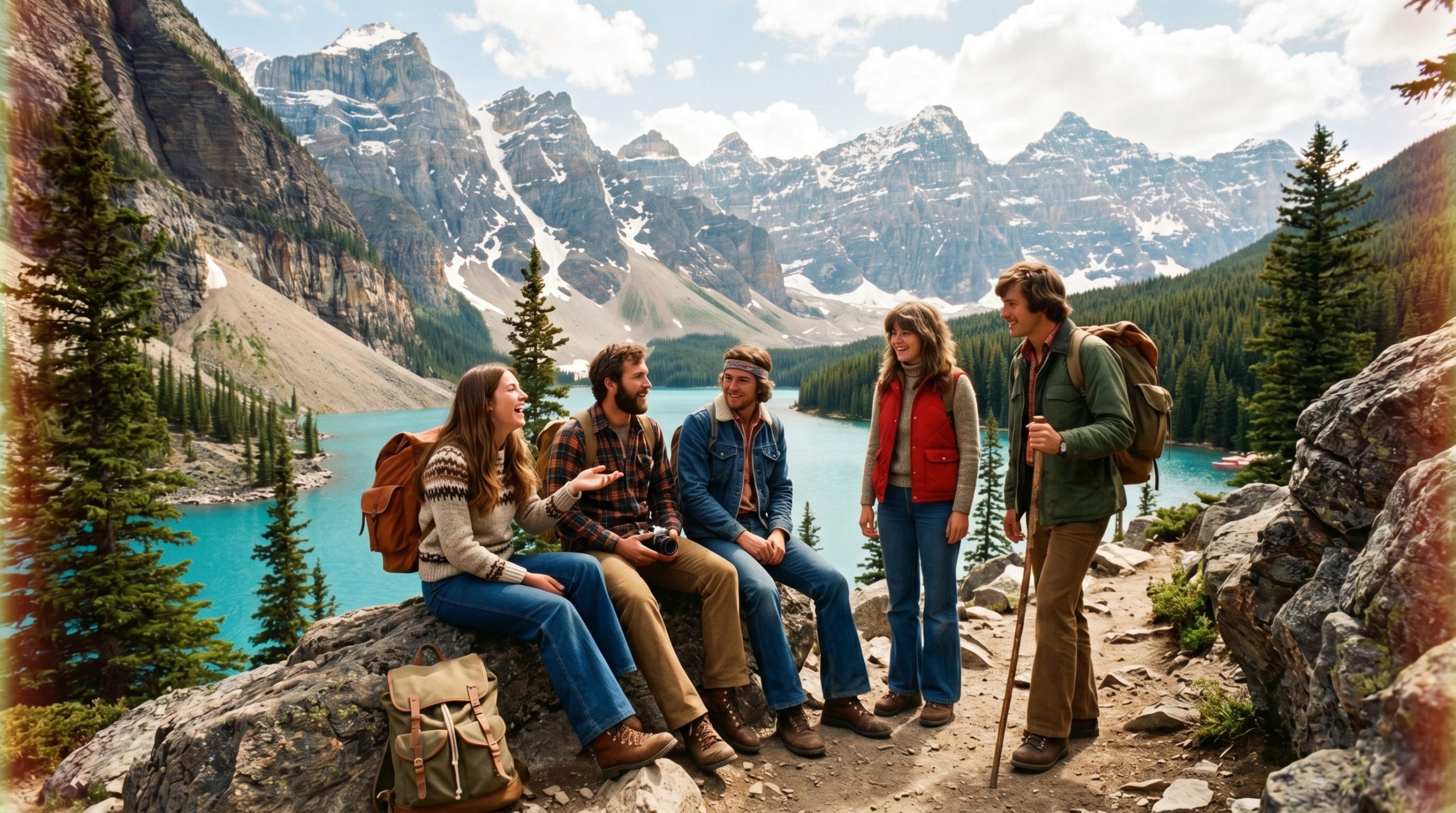
We say we love our heritage. We post photos of Moraine Lake at dawn, of Fortress Louisbourg at dusk, of the tides pulling back from L’Anse aux Meadows like time itself retreating. But few walk through them. Fewer still understand what they mean.
This is where culture fails not by design, but by distance. Not because people don’t care — but because no one has ever taught them how to see.
The Geography of Memory
In Banff, elk graze beneath the shadow of Mount Rundle, unaware that their ancestors were nearly driven out by railway expansion. In Jasper, the Athabasca Glacier recedes visibly each year, a slow-motion obituary written in ice. At Fort Langley, Indigenous interpreters speak Halq’eméylem as they demonstrate traditional carving techniques — not as performance, but as survival.
These places are not just scenic. They are archives.
But unlike libraries, they do not organize themselves. You cannot search for “early colonial trade routes” on a trailhead map. You cannot ask a park ranger about Mi’kmaq migration patterns at Kejimkujik unless you already know the question.
That is the paradox of access: opening the gate is only the beginning. Understanding what lies beyond it — that takes a guide.
A Nation Divided by Its Own Story
Canada is vast. So vast that its geography often defeats its unity.
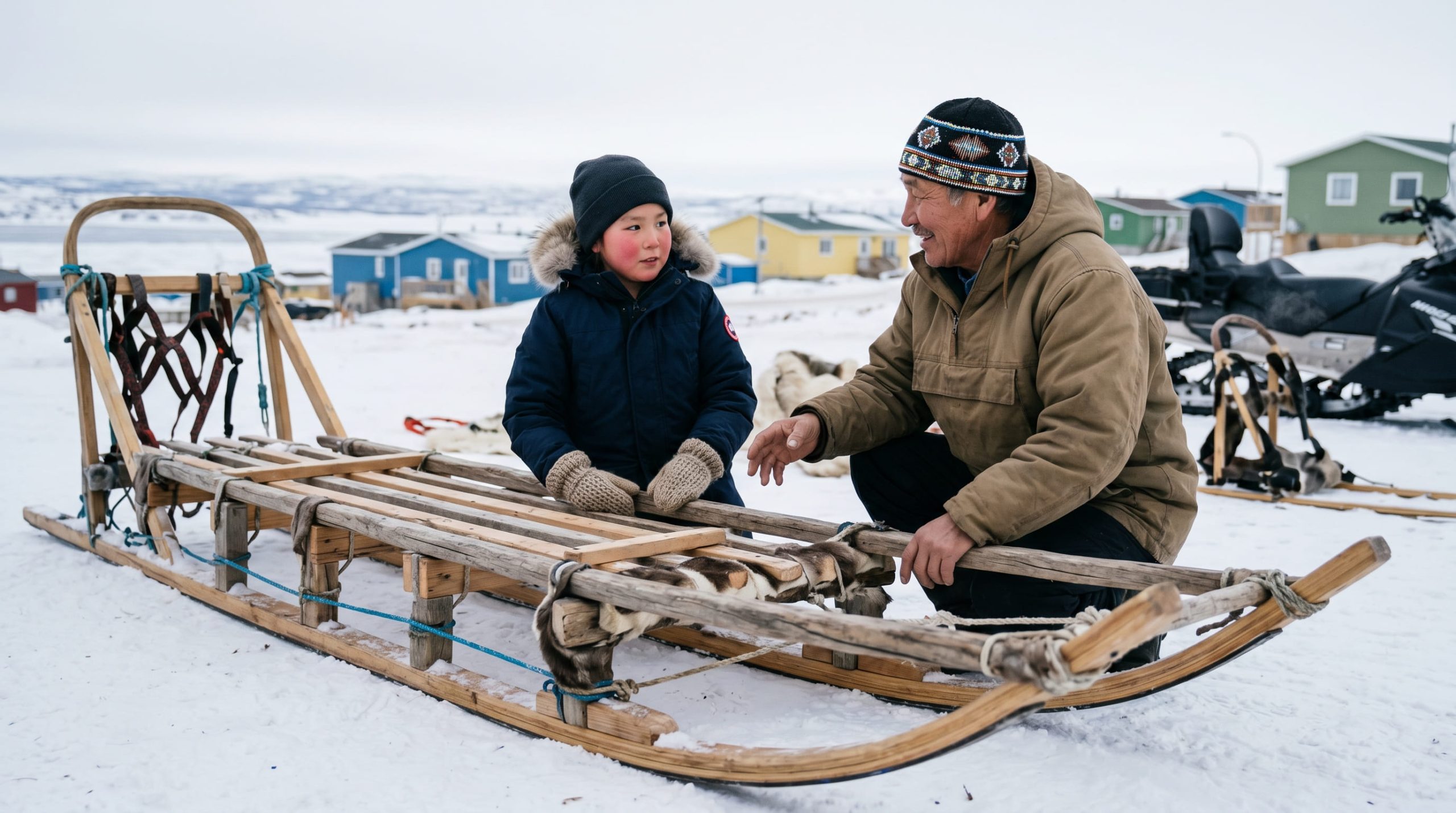
A child in Iqaluit learns about qamutiik sleds and throat singing, but may never hear of the Acadian expulsion. A student in Moncton studies Grand-Pré, but knows little of the Klondike Gold Rush. A teenager in Vancouver scrolls past TikTok clips of totem poles, unaware that the pole outside the museum was carved in 1923 as an act of protest against cultural erasure.
Our stories exist — scattered, isolated, waiting.
And then there is Parks Canada: over 170 sites stretching from Cape Spear to Tuktoyaktuk, from Gwaii Haanas to Point Pelee. Places where nature and nation intersect. Where a forest trail doubles as a war route. Where a lighthouse marks both sea danger and human endurance.
They are free this week — but only if you know where to look. Only if someone tells you why it matters.
The Gift That Needs a Guide
Imagine arriving at Fort George in Ontario, where soldiers once guarded British interests against American invasion. You follow the path, read the plaque, take your photo. Then you leave.
Now imagine this:
You tap a link before you go. A voice says: “Fort George wasn’t just a fort. It was a promise — fragile, armed, uncertain.” Another adds: “Here, Anishinaabe scouts watched both armies, knowing neither would protect them.”
This is not interpretation. It is connection.
Canadian Museums does not manage these parks. We are not Parks Canada.
But during this week of open gates, we want to be something else: a quiet companion, a cultural compass, a bridge between curiosity and context.
Because freedom of entry means nothing if no one knows how to enter meaningfully.
What Happens When We Go
In 2025, over 24 million people visited Canada’s national parks. Less than half attended a guided walk. Fewer still explored more than one site.
But when people do go — really go — something changes.
At L’Anse aux Meadows, where Norse settlers landed a thousand years ago, a woman from St. John’s knelt beside the reconstructed sod house and said aloud: “They were scared too.” Not a fact. Not a lesson. A feeling.
At Prince Albert National Park, a father pointed to a wolf track and told his son: “That’s older than any road we’ve built.”
These moments don’t happen because of signage. They happen because someone felt invited — not just into the land, but into the story.
Plan Your Cultural Getaway
So yes — go.
Walk through the creaking floorboards of the Halifax Citadel. Sit beside the rapids at Chambly Canal. Stand under the arbutus trees at Pacific Rim and listen to the Hesquiaht names carried on the wind.
But don’t just visit. Discover.
Let Canadian Museums help you plan a journey — not just across space, but across time. One that begins at a park gate and ends somewhere deeper: in understanding.
👉 Start Your Free Cultural Journey
Explore Canada’s national parks and historic sites with context, meaning, and a guide that travels with you. Heritage isn’t behind glass — it’s alive, and for one week, it belongs to all of us.